A lot of homeowners start with the same question after another steep electricity bill lands on the doormat: what is residential solar installation, and what do you actually get for your money?
In simple terms, it is the design and fitting of a solar power system on a home so it can generate its own electricity from daylight. That usually means solar panels on the roof, electrical equipment that converts and manages the power, and a system designed around how the property uses energy. Done properly, it is not just a set of panels bolted to roof tiles. It is a full electrical installation that needs to suit the house, the roof, the household’s usage and long-term goals.
What is residential solar installation in practice?
Residential solar installation is the process of surveying a home, designing a suitable solar PV system, installing the equipment, connecting it safely to the property’s electrical system, and commissioning it so it can start generating power.
The phrase sounds simple, but the detail matters. A good installation takes account of roof direction, pitch, shading, structural suitability, cable routes, inverter location, consumer unit compatibility and expected generation. If a homeowner wants battery storage as well, that adds another layer of design because the system then needs to decide when to store energy, when to use it and, in some cases, when to export it back to the grid.
For most homes in the UK, the aim is straightforward: reduce reliance on imported electricity, make better use of daytime generation and improve long-term energy efficiency. Some households are mainly focused on cutting bills. Others want more independence from rising prices. Some are thinking ahead to an EV charger, a heat pump or a more energy-hungry home office setup.
What does a home solar system include?
At the centre of any residential solar installation are the solar panels themselves. These sit on the roof and generate direct current electricity when exposed to daylight. Despite what many people assume, they do not need blazing sunshine to work. They can still generate on bright, cloudy days, which matters in the North East as much as anywhere else.
The panels are connected to an inverter, which converts the electricity into a form the home can use. Without the inverter, the power generated by the panels is not much use to your sockets, lights or appliances. Depending on the system design, there may be a string inverter or microinverters, and the best option often depends on roof layout and shading.
Most systems also include mounting rails, isolators, generation monitoring and the necessary cabling and protection devices. If the customer wants greater flexibility, battery storage can be added so surplus electricity generated during the day can be used later in the evening. That can make a real difference for households where everyone is out during the day and energy use peaks after work.
Some homeowners also pair solar with other upgrades. If you are already planning electrical work, an EV charge point or a rewire, it can make sense to consider the wider setup together rather than treating each job in isolation.
How the installation process usually works
A proper residential solar installation starts with a survey. This is where the installer looks at the roof, checks for shading, assesses available space and considers how the system will connect into the home’s electrical infrastructure. It is also the stage where usage patterns should be discussed. A system that works well for a retired couple at home during the day may not be the right fit for a family that is out until teatime.
After the survey comes the system design. This is where panel numbers, system size, inverter type and any battery storage are specified. Good design is partly about maximising generation, but not at the expense of practicality. There is no point squeezing in more panels if shading, roof complexity or budget means the gains are marginal.
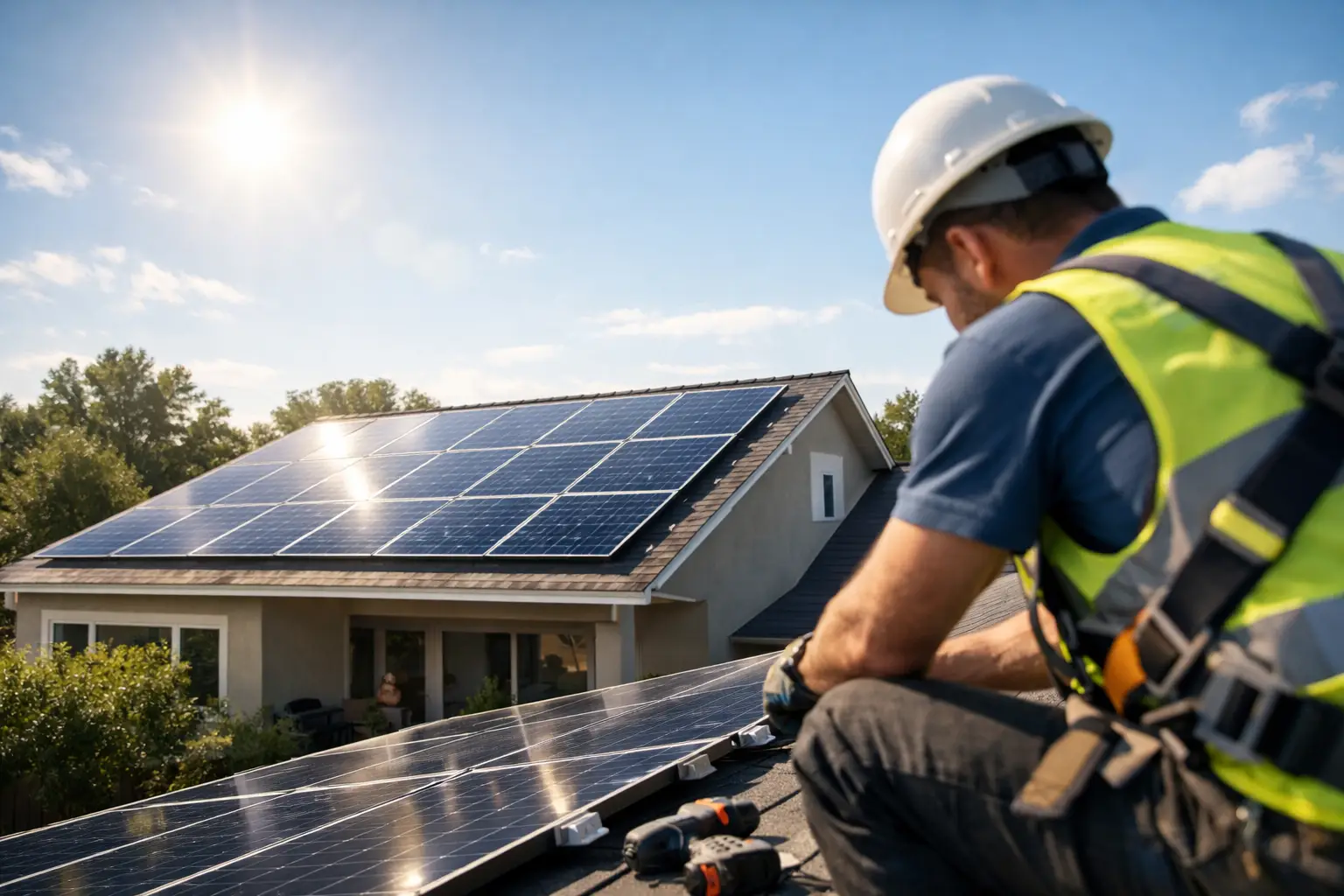
Installation itself is usually completed over a short period, often a day or two for a standard domestic job, though larger or more complex properties may take longer. Scaffolding may be required, and there will be both roof work and internal electrical work. Once the equipment is fitted, the system is tested, commissioned and certified.
That final stage is not paperwork for paperwork’s sake. Solar is an electrical installation, and safety, compliance and performance all matter. Homeowners should expect a clear handover so they understand how the system operates, how to monitor it and what to do if they notice an issue.
What residential solar installation can and cannot do
Solar can make a meaningful dent in electricity bills, but it is not magic. A residential solar installation helps a home generate some of its own power, particularly during daylight hours. The more of that power you use on site, the better the value tends to be.
What it cannot do is guarantee that your home will never buy electricity from the grid again. In winter, on dark days, or during high evening demand, you are still likely to import power unless you have a battery and enough stored energy to cover your usage. Even then, performance depends on season, system size and how much electricity the household uses.
This is where honest advice matters. Bigger is not always better. The right system is the one that suits the property and the people living in it. For some homes, a modest, well-designed array is the sensible choice. For others, especially where battery storage or EV charging is part of the plan, a larger system may make more financial sense.
Is it worth it for a UK homeowner?
That depends on the house, the roof and the household’s energy habits, but for many UK homeowners the answer is yes. Electricity prices have pushed more people to look seriously at on-site generation, and solar remains one of the more practical ways to improve household energy performance.
South-facing roofs often get the most attention, but east and west-facing roofs can still work well. A slightly less ideal roof does not automatically rule solar out. The question is whether the expected generation justifies the investment.
Battery storage is another area where it depends. Some homes benefit greatly from adding a battery because it lets them hold onto daytime solar for evening use. For others, especially if a lot of electricity is used while the panels are generating, the battery may be a secondary upgrade rather than the first priority.
There is also the property value and future-proofing angle. Buyers increasingly understand the appeal of lower running costs, better EPC performance and homes that are ready for a more electric future. That does not mean solar should be sold as a guaranteed value booster, but it is part of a broader shift in how homes are assessed.
Common concerns homeowners have
One of the biggest worries is roof damage. When installed correctly, solar should not harm a sound roof. In fact, the key issue is whether the roof is in good enough condition before work starts. If a roof is close to needing major repairs, it is usually better to deal with that first rather than fit panels and revisit the same area later.
Another common concern is appearance. Some homeowners love the idea of solar but hesitate because they do not want the house to look overly industrial. Modern panel layouts are generally neater than many people expect, especially when the design is planned carefully around the roofline.
Then there is maintenance. Residential solar systems are relatively low maintenance, but low maintenance is not the same as no maintenance. Monitoring performance, checking for faults and keeping the system in good order all help protect the investment over time.
Why installer quality matters
If you remember one thing about residential solar installation, make it this: the panels are only part of the story. Design quality, electrical workmanship, certification and aftercare matter just as much.
A well-installed system should feel straightforward for the homeowner, even if there is quite a lot happening behind the scenes. That is why many customers prefer working with an installer that can manage the whole job properly, from survey and design through to installation, testing and sign-off. SWH Electrical Solutions takes that approach because it reduces handover issues, keeps accountability clear and gives customers confidence that the system has been built with both performance and safety in mind.
For homeowners, the reassurance is practical rather than flashy. You want to know the work is being done by qualified people, to recognised standards, with proper certification and a realistic view of what the system can achieve.
What to ask before you go ahead
Before agreeing to any residential solar installation, ask how the system has been sized, what generation is expected, whether battery storage is worth including now or later, and what certifications and commissioning documents you will receive. It is also worth asking how the installer will deal with access, cable routes and any disruption inside the home.
A good contractor should be able to explain the technical side in plain English. If the answers sound vague, overpromising or full of sales patter, trust your instincts. Solar should feel like a sensible home improvement decision, not a gamble.
The best starting point is not chasing the biggest headline saving. It is understanding how your home uses electricity now, how that might change over the next few years, and whether a properly designed solar system fits into that picture.