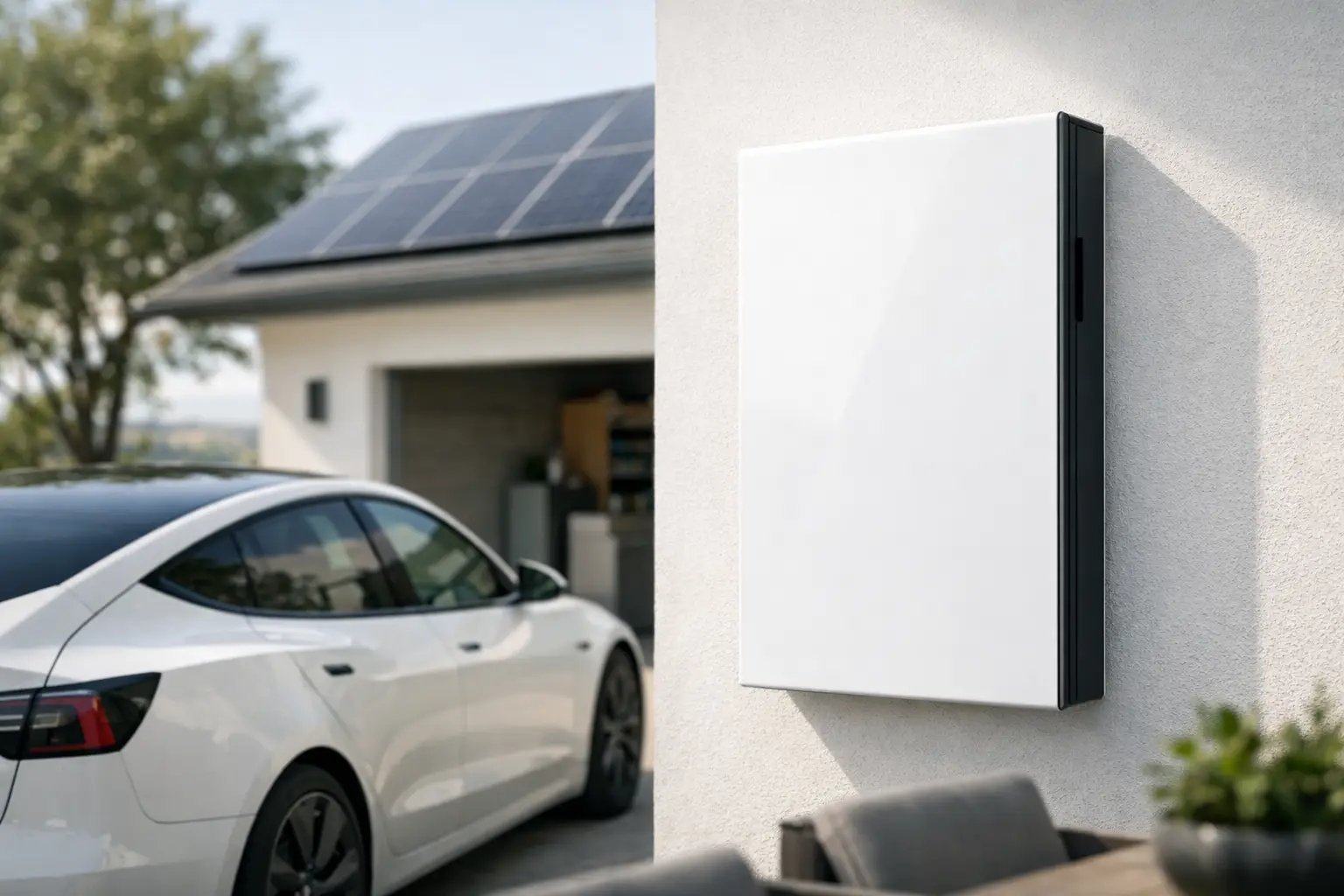
Rising electricity prices have changed how people look at solar. A few years ago, battery storage felt like an upgrade. Now, for many homeowners, businesses and developers, it is becoming part of the plan from day one. Tesla Powerwall 3 sits right in the middle of that shift, promising more usable backup power, smarter energy control and a cleaner installation for properties that want to make better use of solar generation.
The key question is not whether battery storage is a good idea in general. It is whether this particular system makes sense for your property, your usage and your budget. That depends on more than brand name alone.
What is Tesla Powerwall 3?
Tesla Powerwall 3 is a home and small commercial battery storage system designed to store electricity for use later in the day. In practical terms, that means capturing surplus solar power rather than exporting it straight away, then using that stored energy in the evening, overnight or during a power cut if the system has been configured for backup.
Compared with earlier battery systems, one of the biggest talking points is that Powerwall 3 combines battery storage and an integrated solar inverter in one unit. That can simplify installation in the right setting, especially for new solar projects. Instead of fitting separate pieces of equipment to do related jobs, the system brings more of that functionality together.
For customers, the real benefit is not that it looks tidy on a spec sheet. It is that a well-designed battery setup can reduce grid reliance, improve self-consumption and give more control over when electricity is used.
What has changed from earlier Powerwall models?
The headline improvement is power output. Tesla Powerwall 3 is designed to deliver more continuous power than Powerwall 2, which matters if you want the battery to run more of the property at once. In the real world, that can mean fewer compromises during peak demand periods. If the oven is on, the kettle is boiling and other appliances are running, a stronger battery output gives the system a better chance of keeping up.
The built-in inverter is another major difference. For some installations, that can reduce complexity and help create a more integrated solar-plus-storage setup. For others, especially retrofit jobs where solar equipment is already in place, the best route is less straightforward. This is where a proper survey matters. Not every property benefits from the same configuration, and the neatest-looking option is not always the most practical one.
There is also the question of scalability. Some properties need a single battery. Others, particularly larger homes or sites with heavier demand, may benefit from multiple units. The right answer depends on daytime usage, overnight load, heating type, EV charging habits and whether backup protection is a priority.
Why Tesla Powerwall 3 appeals to UK homeowners
For homeowners, the attraction is usually quite simple. They want to use more of the electricity their solar panels generate and buy less from the grid at expensive times. That is the main case for battery storage in the UK.
A typical home produces solar during the day, often when nobody is in or when usage is low. Without storage, a fair chunk of that generation is exported. With a battery, more of that energy can be kept on site and used later. That tends to improve the value of the solar system overall.
Tesla Powerwall 3 may also appeal to households that want some resilience during outages. Backup functionality can be a genuine benefit, but it is worth being realistic about it. Backup does not automatically mean the battery will run an entire house indefinitely. What it can do, when properly designed, is keep essential circuits or a broader household load running for a period of time, depending on consumption and battery charge.
That distinction matters. A battery is not a magic box that removes every energy concern. It works best when matched carefully to how the property actually uses power.
Is Tesla Powerwall 3 a good fit for businesses and developers?
It can be, but the reason for installing it is usually different.
For business owners, the focus is often on reducing daytime import, improving use of on-site generation and smoothing out exposure to higher electricity costs. If the building has regular daytime demand and a solar array to support it, battery storage can help make the system work harder. In some settings, it can also support a wider energy strategy that includes EV charging, electrical upgrades and long-term operational savings.
For developers, battery storage is increasingly part of future-proofing. New homes are under pressure to perform better on energy efficiency, and buyers are more alert to running costs than they were even two years ago. A property with well-integrated solar and battery storage is easier to position as modern, efficient and ready for changing energy habits.
That said, Tesla Powerwall 3 is not automatically the best answer for every commercial site or development scheme. Load profile, plant requirements, distribution setup and handover considerations all matter. The strongest installations start with design, not the product brochure.
Tesla Powerwall 3 costs and value
Most customers asking about cost are really asking about value. That is the right way to look at it.
The installed cost of a Tesla Powerwall 3 in the UK will vary depending on the property, the number of units, whether solar is being installed at the same time, the electrical work required and whether backup functionality is included. There is no honest single figure that suits every job. A straightforward domestic installation is very different from a larger system involving multiple batteries, consumer unit upgrades or a more involved commissioning process.
What matters more is payback over time. The battery creates value by increasing self-consumption of solar energy, reducing peak-rate imports and, in some cases, offering useful backup protection. Homes with higher evening usage often see more benefit than homes that consume most of their energy during solar production hours. Similarly, properties with EVs, heat pumps or higher background demand may get stronger returns from storage than lower-usage households.
This is where local, qualified installation advice earns its keep. The right specification can save money. Oversizing a battery or choosing the wrong layout can do the opposite.
Installation considerations that are easy to miss
Battery storage is not just about choosing capacity. It is about how the whole electrical system works together.
Placement matters. So does ventilation, access, cable routes and the existing condition of the property’s electrical infrastructure. If the building already has solar, the compatibility of the current setup becomes a key part of the conversation. If it is a new installation, there is more freedom to design the system cleanly from the outset.
Permissions and standards matter too. In the UK, customers should expect work to be carried out in line with current regulations and by competent, accredited installers. That is especially important where solar, battery storage and wider electrical works meet. A battery system is not a place for guesswork.
This is one reason many customers prefer working with a contractor that can handle survey, design, installation and certification in-house. It keeps the process clearer and reduces the chance of gaps between trades. For property owners in the North East, that local accountability can be just as important as the equipment itself.
Tesla Powerwall 3 drawbacks to weigh up
No battery is perfect, and Tesla Powerwall 3 is no exception.
First, the upfront cost is significant. Even where long-term savings are strong, this is still a proper investment. Second, the best results usually depend on having solar or planning to install it. A battery without solar can still have uses, but the economics are often less compelling.
Third, there is the issue of suitability. Some homes have load patterns that make a smaller or different battery solution more sensible. Some sites have existing equipment that changes the best approach. Some customers are drawn to Tesla on name recognition, when what they really need is a system built around the property rather than the badge.
That is not a criticism of the product. It is simply the reality of good system design. A credible installer should be willing to say when Tesla Powerwall 3 is the right choice and when another route may suit the building better.
So, is Tesla Powerwall 3 worth it?
If you want a high-output battery system with integrated inverter capability, strong brand recognition and the potential to make solar perform better across the day, Tesla Powerwall 3 is a serious option. For the right home or project, it can be an excellent one.
But worth is always property-specific. The best outcomes come from matching the battery to real usage, future plans and the existing electrical setup. For some households that means lower bills and better energy independence. For some businesses it means a smarter use of on-site generation. For developers it can mean homes that are better prepared for the way people now live.
The sensible next step is not to chase the headline spec. It is to start with a proper assessment of your property, your demand and what you actually want the system to do. Get that part right, and the rest becomes far clearer.