If your electricity bills have become harder to predict than your workload, it is no surprise more firms are looking at commercial solar systems as a practical business investment rather than a nice-to-have. For many sites, the question is no longer whether solar can work, but whether the building, usage pattern and long-term plans make it stack up properly.
That distinction matters. A commercial system should not be sold on broad claims about sustainability alone. It needs to be designed around how your business actually uses power, what your roof can support, when your peak demand happens, and whether you are planning changes such as EV charging, extra plant, refrigeration, air conditioning or an extension. Get that right, and solar can do far more than trim a few pounds off the bill.
What commercial solar systems actually do
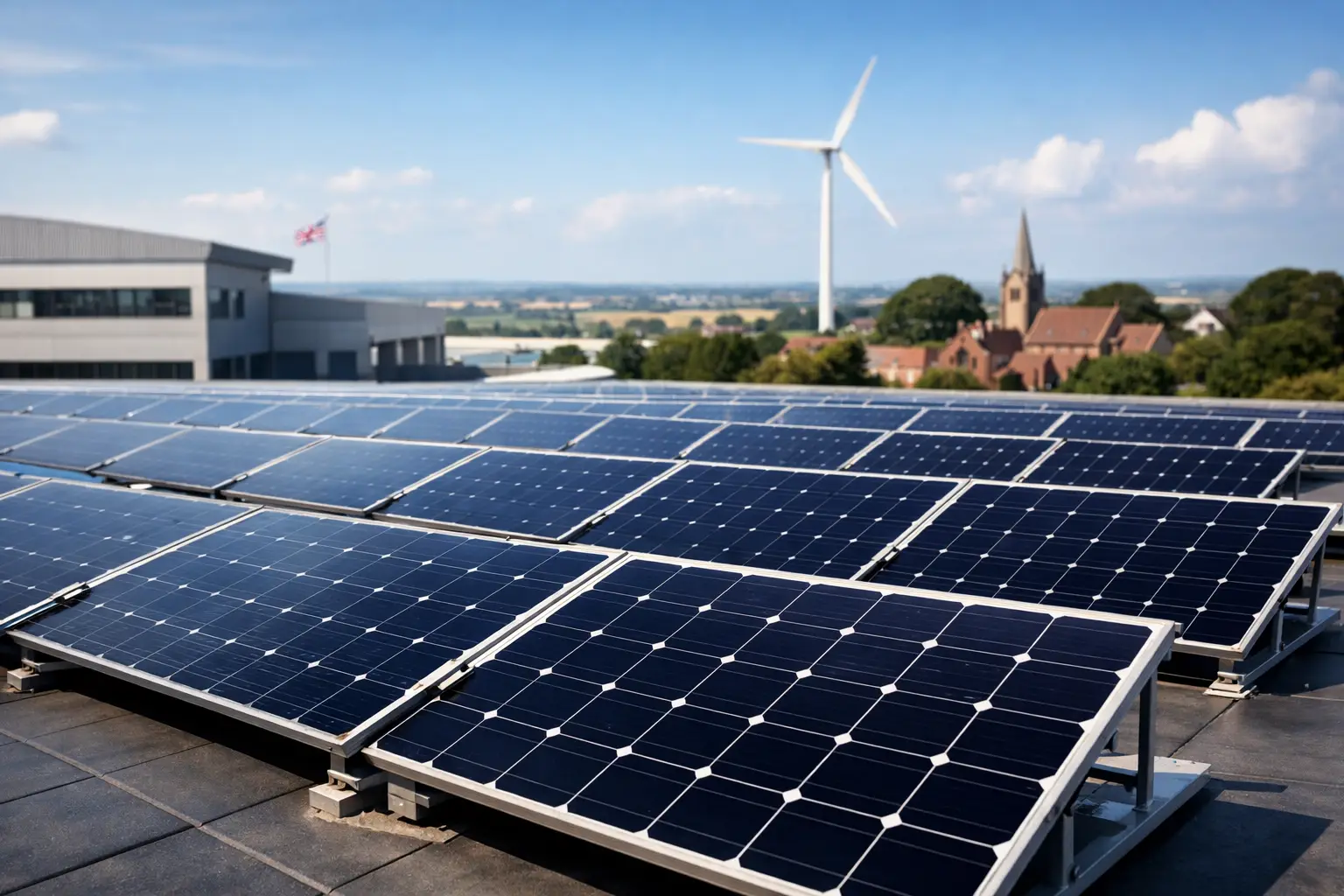
At a basic level, commercial solar systems turn daylight into usable electricity for your premises. During generating hours, that power can be used directly on site, reducing the amount you buy from the grid. If the system produces more than you are using at that moment, some setups can export surplus electricity, while others are paired with battery storage to keep more of that energy on site for later use.
The real value tends to come from offsetting daytime consumption. Offices, warehouses, retail units, schools, farms and industrial sites often use a meaningful amount of electricity through business hours, which lines up well with solar generation. That is why commercial installations can make strong financial sense when the design is based on genuine usage data rather than guesswork.
Solar also gives businesses something they rarely get from energy markets – more control. You will still be connected to the grid in most cases, but you are less exposed to future price rises on every unit of power you use during the day. For companies managing tight margins, that predictability can be just as valuable as the direct savings.
Why commercial solar systems appeal to businesses now
The strongest case for solar is usually commercial, not sentimental. Energy remains a significant overhead for many organisations, and businesses are under pressure from several directions at once – running costs, compliance expectations, customer scrutiny and the need to future-proof their premises.
Commercial solar systems help on all four fronts. They can reduce ongoing electricity spend, support carbon reporting and ESG targets, make developments more attractive to tenants or buyers, and complement wider upgrades such as EV charge points or battery storage. For owner-occupied sites, they can improve the long-term performance of the building itself.
That said, solar is not identical in value for every business. A site operating mainly overnight may see less immediate benefit from panels alone. A heavily shaded roof or a building nearing major refurbishment may not be the right fit right now. A good installer will say so. The point is not to force a system onto every property, but to identify where it will genuinely perform.
Is your building suitable?
Roof condition is one of the first things to assess. There is little sense installing panels on a roof that may need substantial works in a few years. The structure, covering, orientation and available space all need checking before any design should be signed off. Flat and pitched roofs can both work well, but the mounting method and layout will differ.
Then there is electricity demand. Half-hourly data, meter readings and seasonal patterns help show whether the business uses enough daytime power to justify the investment. A food business with refrigeration, a care setting with constant demand, or a manufacturing unit with regular daytime loads may be very different from a site that sits half-empty for long periods.
Future plans matter too. If you expect to add heat pumps, more equipment, or staff EV charging bays, that may strengthen the case for a larger or more flexible design. If relocation is likely within a short period, the numbers may be less attractive. These are practical questions, and they should be addressed early.
The design stage is where savings are won or lost
One of the biggest mistakes in commercial solar is sizing the system around roof area alone. Just because a roof can take a large array does not mean that is the best financial choice. The right size depends on generation potential, daytime demand, export options, budget and payback priorities.
For some businesses, the goal is to maximise on-site consumption and keep imported electricity to a minimum through working hours. For others, it is to meet a carbon reduction target across a property portfolio. Developers may have a different objective again, especially where planning, SAP considerations or buyer expectations are in play.
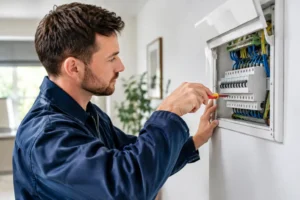
This is where a competent, accredited contractor earns their keep. Proper design should consider panel placement, inverter selection, cable routes, safety equipment, access, monitoring and how the solar installation interacts with the existing electrical system. If the property also needs wider electrical works, compliance checks or future additions such as battery storage, it is far easier when one team is looking at the whole picture rather than treating solar as a bolt-on extra.
Battery storage and other add-ons
Not every commercial installation needs a battery, and it is worth being honest about that. If your business consumes most of its solar generation during the day anyway, battery storage may offer a slower return than the panels themselves. On the other hand, where demand extends into the evening, or where resilience and load shifting are important, a battery can improve the value of the overall system.
The same goes for EV charging. If your business fleet is moving towards electric vehicles, or you want workplace chargers for staff and visitors, solar can support that transition. The strongest results usually come when these systems are planned together rather than one after the other.
Monitoring is another point often overlooked. Good monitoring gives you visibility on generation, performance and faults, which matters on a commercial site. If output drops, you want to know quickly. If the system is performing well, that data can also support internal reporting and demonstrate the return on the investment.
Installation should work around your business
For most businesses, disruption is just as important as technical performance. An installation needs to be properly planned so work on the roof and electrical connections happens safely and with minimal interruption to your staff, customers or operations.
That usually means clear surveys, sensible scheduling and honest communication. It may also mean coordinating with other works on site, especially in commercial units, multi-occupancy buildings or development projects. Businesses tend to value an installer who turns up when they say they will, explains the process in plain English and keeps the site tidy. Fancy sales language counts for very little when you have deliveries arriving and a building to run.
This is one reason many clients prefer an in-house team that can handle design, installation and associated electrical work under one roof. It reduces the handover gaps that can slow projects down or leave responsibilities blurred.
What affects return on investment?
Payback depends on several factors at once: installation cost, energy prices, how much electricity you use on site during solar hours, export arrangements, maintenance requirements and whether battery storage is included. There is no single figure that fits every premises.
In general, the best-performing commercial solar systems are installed on buildings with solid daytime demand and decent roof conditions. The less power you waste or export cheaply, the stronger the case tends to be. Larger systems may bring better economies of scale, but only if the energy profile supports them.
Maintenance is usually straightforward, though not non-existent. Panels are low maintenance, but commercial systems still need periodic inspection and performance checks. Inverters have finite lifespans, and safe electrical integration always matters. Businesses should think of solar as reliable infrastructure, not a fit-and-forget gadget.
Why accreditation and compliance matter
Commercial clients are right to be cautious. Any contractor working on your site should be able to demonstrate competence, proper process and recognised standards. With solar, that covers not only the installation itself but also the wider electrical safety of the premises.
That is where established accreditations and a broad service background make a difference. A contractor that understands solar generation, commercial electrics and ongoing compliance work is better placed to spot issues early and deliver a system that performs properly over time. For businesses in the North East, working with a local company such as SWH Electrical Solutions can also mean faster communication, stronger accountability and people who understand the buildings and customer expectations in the area.
The right system is the one that fits your business
Some businesses need a large roof-mounted array to tackle a heavy daytime load. Others need a smaller installation, built to suit a mixed-use property with room to expand later. Some should pair solar with battery storage from day one. Others are better off starting with panels and reviewing usage after the first year.
The sensible approach is not to chase the biggest system or the fastest sales pitch. It is to start with the building, the numbers and the way your site actually operates. When commercial solar systems are specified with that level of care, they become less about trend and more about good business.
If you are weighing up the options, the most useful next step is a proper survey and an honest conversation about what the site can realistically deliver. That tends to cut through the noise quickly.