A tenant reports a boiler that cuts out intermittently a week before your annual check. That is not a problem to hide until the engineer arrives – it is exactly the sort of issue to report, investigate and put right. If you are searching for how to pass landlord gas inspection, the reliable answer is simple: keep gas appliances properly maintained, arrange access early and use a Gas Safe registered engineer.
For most private landlords, the annual gas safety check is a legal duty, not a paperwork exercise. Done properly, it protects the people living in your property, helps prevent costly breakdowns and gives you a clear record that your gas installation has been checked by a competent professional.
What a landlord gas inspection actually involves
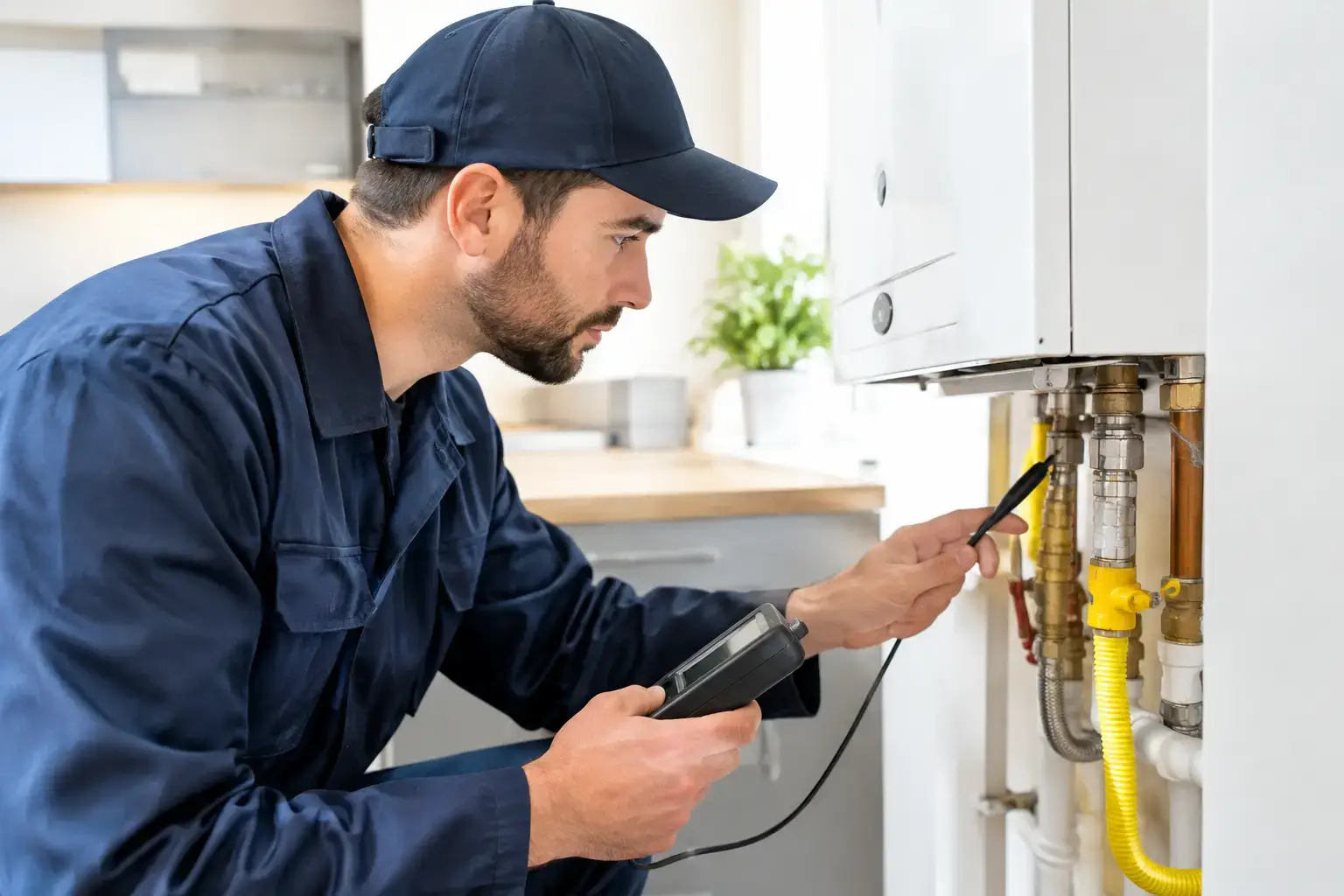
The formal document is called a Landlord Gas Safety Record, although many people still refer to it as a CP12 certificate. A Gas Safe registered engineer carries out the inspection of gas appliances, pipework and flues provided in the rented property.
They will check that appliances are installed and located safely, that they are burning gas correctly, that ventilation is suitable, and that harmful combustion gases can leave the property safely through the flue. They will also look for signs of unsafe operation, gas leaks, damaged seals, inadequate clearances or poor flue condition.
This is not always the same as a full boiler service. A service is more detailed and may involve cleaning, adjustment and manufacturer-specific maintenance. In practice, scheduling a boiler service alongside the annual gas safety check is often the sensible choice, particularly for older boilers or properties with a history of faults. It can reduce the risk of an avoidable issue appearing on inspection day.
A landlord gas safety check is required every 12 months for relevant gas appliances and flues in a rented home. You must provide a copy of the record to existing tenants within 28 days, give it to new tenants before they move in, and retain your records for at least two years.
How to pass a landlord gas inspection without cutting corners
There is no clever workaround and no benefit in trying to make a fault disappear temporarily. The best preparation is steady, practical property management throughout the year.
Book early and use the right engineer
Check the expiry date on your current record and arrange the next visit well before it runs out. This leaves time to coordinate with tenants and deal with any repairs found. You can have a check carried out in the 10 to 12 months before the existing record expires while keeping the original renewal date, which can make annual planning much easier.
Always confirm that the engineer is Gas Safe registered and qualified for the type of appliance they will inspect. Gas work is not a general handyman job. An engineer may be registered for particular categories of work, so the right competence matters for boilers, cookers, fires and commercial equipment.
Make access straightforward
A boiler hidden behind clothes, boxes or a built-in cupboard packed to the door cannot be checked safely or efficiently. Ask tenants in advance to clear access around the boiler, gas meter, cooker and any gas fire. They should also make sure the engineer can reach external flue terminals where needed.
Give proper notice for access in line with the tenancy agreement and keep communication courteous. Tenants are more likely to cooperate when they understand that the visit is about their safety as well as the landlord’s compliance. A reminder a few days before the appointment is usually worthwhile.
If access is refused, do not simply let the certificate lapse. Keep a written record of the appointment offered, the notices sent and every reasonable effort made to gain entry. Rearrange promptly and continue trying. Landlords cannot force entry solely for a routine gas safety check without following the correct legal process, but they must be able to show that they have acted responsibly.
Deal with warning signs before the appointment
Tenants should know to report faults as soon as they occur. Warning signs include a boiler losing pressure repeatedly, a pilot light that will not stay lit, soot or staining around an appliance, unusual smells, yellow or lazy flames, or persistent condensation near a boiler flue.
A carbon monoxide alarm sounding is an emergency, not a maintenance request. Occupants should move to fresh air, seek appropriate emergency help and avoid using the appliance. Never advise a tenant to investigate, dismantle or relight a potentially unsafe gas appliance themselves.
It is also worth checking that any carbon monoxide alarms required for the property are fitted, in date and working. The precise requirements vary across the UK and according to the property, so landlords should follow the rules that apply in their nation and tenancy type. Alarms provide an essential warning, but they do not replace proper appliance maintenance or annual safety checks.
Common reasons a property does not get a clean result
Many issues found at gas safety checks are manageable, but they should be treated seriously. A boiler may need repair because of a faulty component, a flue may be incorrectly installed or damaged, or ventilation may have been obstructed during decorating or refurbishment.
Flues deserve particular attention. For modern condensing boilers, parts of the flue can run through ceilings, cupboards or boxed-in areas. Where concealed flues cannot be inspected properly, suitable inspection hatches may be needed. Covering a flue without considering future inspection is a common mistake during kitchen renovations, loft conversions and bathroom work.
Other avoidable problems include blocked air vents, a gas cooker with damaged controls, corroded pipework, loose appliance connections and boiler cupboards used as general storage. Do not block ventilation grilles to stop draughts, and do not store paint, aerosols, cleaning products or other belongings around a boiler.
If an engineer identifies an unsafe appliance, they may classify it as At Risk or Immediately Dangerous. They may ask for permission to disconnect it so it cannot be used. This can be inconvenient, especially when it affects heating or hot water, but safety comes first. Arrange repairs or replacement without delay, and do not allow an appliance back into use until it has been made safe and checked.
Keep maintenance separate from the annual deadline
Waiting until the annual inspection to discover whether a boiler is reliable is a false economy. A boiler that is serviced according to the manufacturer’s guidance is less likely to fail at the worst possible time, such as during a cold North East winter or just before new tenants move in.
A useful approach is to keep a simple property compliance diary. Record the gas safety renewal date, boiler service date, tenant-reported faults, repair invoices and any recommendations made by the engineer. This is especially helpful for landlords with several properties, but it also gives single-property landlords a clear history when deciding whether to repair an ageing boiler or replace it.
Be careful when upgrading a property. New kitchens, extractor fans, boxing-in, insulation work and bathroom alterations can all affect access, ventilation or flue routes. Tell your heating engineer about planned works before they start rather than asking them to resolve a difficult installation after the fact.
Choosing a contractor you can rely on
Price matters, but the cheapest appointment is not always the best value if it leads to rushed checks, unclear paperwork or delayed repairs. Look for a Gas Safe registered contractor that can explain findings in plain English, issue the documentation promptly and carry out any remedial work to the required standard.
For landlords who need heating, electrical and wider property compliance work coordinated, an in-house service can remove a good deal of admin. SWH Electrical Solutions has Gas Safe registered heating engineers who carry out boiler work and issue CP12 landlord gas safety certificates across Newcastle and the surrounding North East.
Ask for clarity before the visit: what appliances are included, whether a service is separate from the safety check, what happens if a fault is found, and how quickly repairs can be arranged. A good contractor will be direct about the condition of the installation rather than promising a certificate before they have inspected it.
Give tenants confidence, not just notice
The strongest landlord gas safety routine is one your tenants understand. Tell them who is attending, when they will arrive, what areas they need to access and who to contact if they notice a problem before the visit. It is a small amount of communication that can prevent missed appointments, delayed repairs and unnecessary worry.
A valid record is the outcome, but a well-maintained, safely operating home is the real standard to aim for. Keep on top of maintenance, act quickly on reports and give a qualified engineer the access and time to do the job properly.