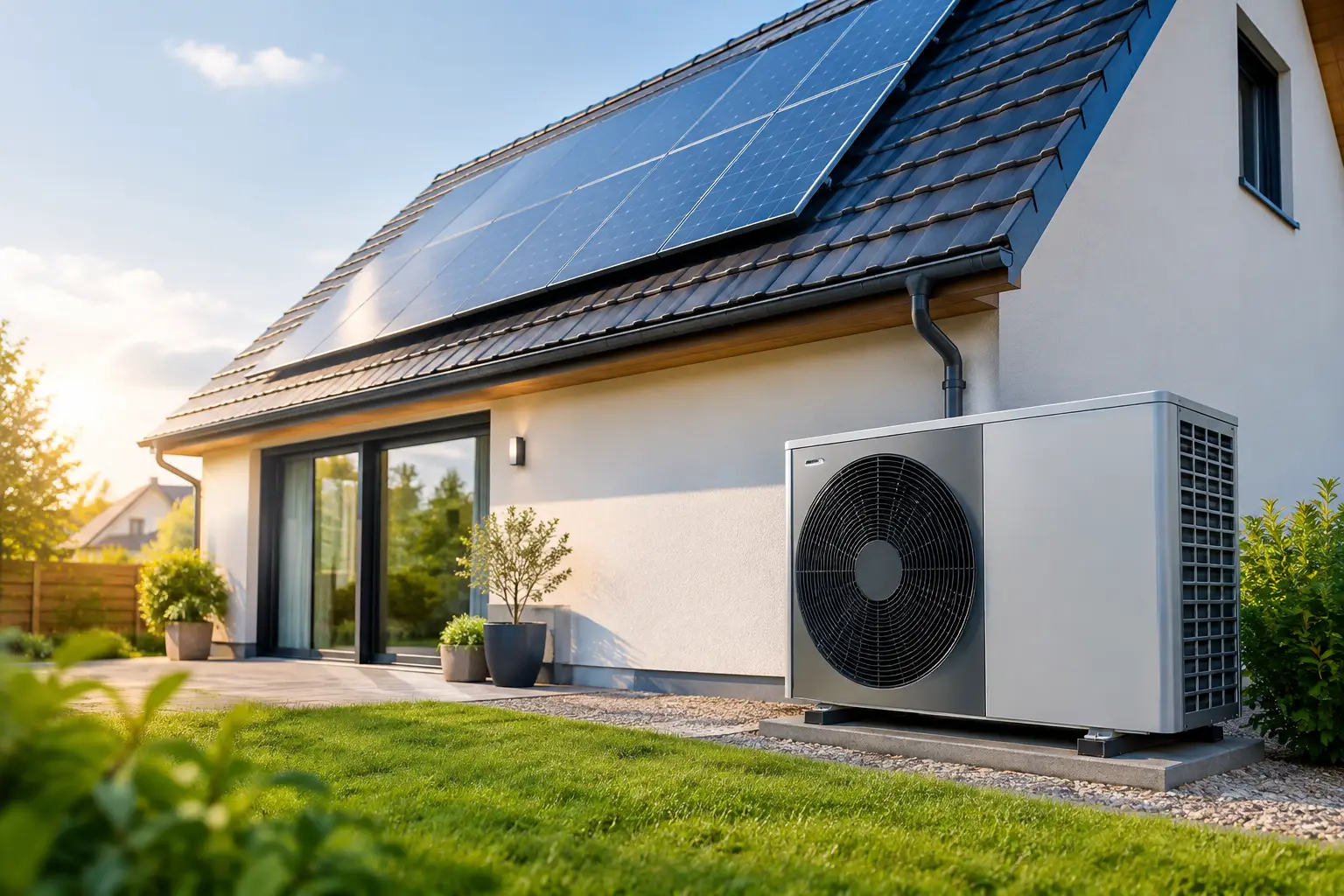
A household can spend thousands on either technology, so solar panels vs heat pumps is not really a straight choice between two competing products. Solar panels generate electricity. A heat pump uses electricity to provide heating and hot water. One reduces the amount of electricity you need to buy from the grid, while the other may increase your electricity use as it replaces a gas or oil heating system.
The right first investment depends on your property, how you currently heat it, the condition of your insulation and what you want to achieve. For some North East homes, solar is the quickest route to lower electricity bills. For others, particularly those planning to move away from fossil fuel heating, a well-designed heat pump is the more significant long-term change. In many cases, the strongest answer is to plan for both.
Solar panels vs heat pumps: the key difference
Solar photovoltaic panels turn daylight into electricity. That electricity can run appliances, charge a battery, power an EV charger or be exported to the grid when there is surplus generation. Their output changes with the weather, season, roof orientation, shading and system size, but they need relatively little day-to-day input once installed.
An air source heat pump takes heat from the outside air and moves it into your home. It runs on electricity, but it can deliver several units of heat for each unit of electricity used. Rather than creating heat in the same way as an electric bar heater, it transfers and concentrates heat. It is designed to keep a home at a steady, comfortable temperature over longer periods.
That distinction matters when comparing bills. Solar can reduce the cost of electricity you already use. A heat pump changes the way you heat your property, potentially replacing gas, oil, LPG or older electric heating. Comparing installation quotes without looking at your present energy use can give a misleading picture.
When solar panels make the most sense
Solar panels are often a practical starting point for homeowners with a suitable roof and a meaningful daytime electricity demand. Households that work from home, run appliances during the day, own an electric vehicle or are considering battery storage can use more of the electricity they generate themselves.
They can also suit homes that have a fairly new, efficient gas boiler. Replacing a boiler that is working well is not always the most urgent use of a household budget. Adding solar first can start cutting purchased electricity while leaving the existing heating system in place until it is closer to replacement.
The survey is where the detail counts. A south-facing roof is useful, but it is not the only factor. East and west-facing arrays can produce power across more of the day, which may suit a family whose demand peaks in the morning and late afternoon. Chimneys, trees, roof condition, consumer unit capacity and future plans for a battery or EV charger all need to be considered before the system is designed.
For businesses, solar can be especially attractive where electricity is used during working hours. Offices, workshops, retail premises and shared commercial buildings may have a closer match between solar generation and demand than a household that is empty through the day.
When a heat pump should come first
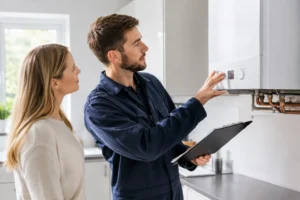
A heat pump deserves priority when an existing boiler is unreliable, expensive to run or approaching the end of its life, particularly if the home relies on oil, LPG or direct electric heating. It may also be the natural route for a new build or a major renovation where the heating system can be designed around low-temperature operation from the outset.
However, heat pumps are not a fit-and-forget replacement for every boiler. The home needs to retain heat well enough for the system to work efficiently. Loft insulation, cavity wall insulation where appropriate, draught reduction and suitable glazing can make a considerable difference. Radiators may need to be resized, and pipework, hot water cylinders and controls need reviewing too.
A good heat pump design is based on a room-by-room heat loss calculation, not a guess based on the size of the old boiler. Oversized boilers are common, so simply matching the existing boiler’s output can result in the wrong specification. The aim is dependable warmth at the lowest practical flow temperature, not a unit that runs hot and costs more than it should.
Heat pumps also ask for a change in expectations. They generally perform best when maintaining a consistent indoor temperature rather than being switched on for short, intense bursts. That does not mean your home needs to feel cold or complicated to run. It means the controls and system design need to match how the household lives.
Costs, savings and the grants question
Upfront costs vary widely because every roof and heating system is different. Solar pricing depends on panel numbers, access, roof complexity, inverter choice, battery storage and electrical upgrades. A heat pump project may include radiators, a cylinder, pipework changes, insulation improvements and electrical work as well as the unit itself.
Look beyond the initial figure and ask what is included. For solar, this should cover design, scaffolding, installation, testing, commissioning and the route for export registration. For heat pumps, it should include the heat loss assessment, system design, controls, commissioning and a clear explanation of any changes required inside the property.
Savings are equally individual. Solar savings depend on how much generated electricity you use at home, the tariff you pay and any export payments. Battery storage can increase self-consumption, but it adds cost and should be sized around real consumption patterns rather than a one-size-fits-all package.
A heat pump’s running cost depends on the system efficiency, electricity tariff, insulation standard and the fuel it replaces. A poorly designed installation can disappoint, while a properly designed system in a suitable home can provide low-carbon heating with predictable comfort. Government support, including the Boiler Upgrade Scheme, may be available for eligible installations, but criteria and funding levels can change. Check the current position before basing a decision on grant support.
Can solar panels and heat pumps work together?
Yes, and the combination can be very effective. Solar electricity can help cover some of a heat pump’s demand, especially in spring and autumn when there is useful daylight and the heating load is lower than in midwinter. In summer, solar can contribute to domestic hot water production, depending on the controls and household pattern.
There is one important reality check. Heat demand is usually highest in winter, when solar generation is at its lowest. Solar will not make a heat pump free to run through a dark January cold snap. The grid remains an essential part of the picture, and the heat pump should be affordable to operate without assuming constant solar output.
Even so, the systems complement each other well over a full year. A smart electricity tariff, heat pump controls, battery storage where it makes financial sense and sensible scheduling can improve the value of the electricity generated on site. Planning the electrical capacity and consumer unit arrangement early also avoids unnecessary disruption later.
For developers, designing both technologies into a new build is far simpler than retrofitting them after completion. Roof space, plant location, hot water storage, electrical distribution and EV charging can be coordinated before walls and finishes are in place. This gives buyers a home that is better prepared for changing energy costs and future regulations.
Questions to ask before choosing
Start with your energy bills for the last year, not just a single month. Separate electricity and gas use if you have both, and consider likely changes such as an EV, home working, an extension or growing family. A solar system sized only around today’s low usage may soon feel restrictive.
Next, assess the fabric of the building. If rooms are draughty and hard to heat, efficiency improvements may offer the best first return before a heat pump is considered. If the roof needs work in the next few years, it is usually wiser to deal with that before fitting solar panels.
Finally, choose a contractor that can see the whole job. Solar, electrical work, heating controls and future battery storage should not be treated as isolated decisions. SWH Electrical Solutions brings electrical, solar and heating expertise together, helping customers plan the work in a sensible order and with the right attention to accredited installation standards.
The best route is rarely the product with the loudest promise. A proper survey should leave you with a clear view of what your home needs now, what can wait, and how each improvement can support the next one.