A solar system is not a product you pick from a shelf. It is a small power station designed around your roof, household electricity use and plans for the years ahead. This solar panel buying guide explains what to look for before accepting a quote, so you can invest with confidence rather than simply chasing the largest headline saving.
For most North East homeowners, the right system is the one that produces well in local conditions, fits the property neatly and lets you use more of the electricity it generates. The most expensive panel is not always the best value, and the cheapest quote can leave out the equipment, paperwork or aftercare that matter once the scaffolding comes down.
Start with your home, not the panel brochure
Your roof sets the foundations for the whole design. South-facing roofs generally offer the highest annual generation, but east- and west-facing roofs can still make excellent sense. An east-west array often spreads generation across the morning and afternoon, which can suit homes where people are out during the middle of the day and use more power before and after work.
Shade deserves a proper conversation at survey stage. Chimneys, neighbouring buildings, trees, dormers and even aerials can affect output at different times of year. A good installer should assess this rather than offering a standard panel count based only on roof size. Minor shade does not automatically rule solar out, but it may influence the equipment selected and the expected return.
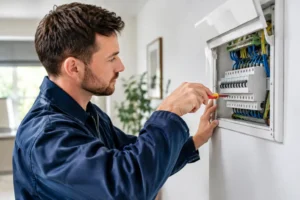
Roof condition matters just as much. If a roof is approaching the point where it needs replacing, it is usually more sensible to deal with that first. Removing and refitting panels later adds avoidable cost and disruption. The survey should also consider access for scaffolding, the route for cabling, loft space and the condition of the existing consumer unit.
Size the system around real electricity use
Solar capacity is usually shown in kilowatts peak, or kWp. This refers to the maximum output of the panels under standard test conditions, not what the system will produce every hour of the year. A 4 kWp system may be a sensible starting point for one household, while a larger system could be justified for a property with an electric vehicle, heat pump, home office or higher daytime demand.
Look at at least 12 months of electricity bills where possible. They reveal total consumption and, with smart meter data, when that electricity is used. This is more useful than making decisions based on a single winter bill, when solar output is naturally lower and heating demand is often higher.
There is a balance to strike. A larger array can generate more electricity over a year, but its value depends on how much you can use, store or export. Export payments through the Smart Export Guarantee can contribute to the return, but rates vary by supplier and should not be treated as guaranteed for the lifetime of the system. A clear proposal should show expected generation, likely self-consumption and any export assumptions separately.
Choosing solar panels: efficiency is only one part of it
Most domestic installations now use monocrystalline panels. They are efficient, widely available and well suited to the limited roof space found on many UK homes. Panel efficiency tells you how much power a panel can produce from a given area. It matters most when roof space is tight.
However, efficiency alone should not decide the purchase. Compare the panel’s product warranty, performance warranty, manufacturer reputation and appearance alongside its wattage. A performance warranty typically promises that output will decline gradually over time, while the product warranty covers faults in the panel itself. These are different protections.
All-black panels are often popular because they give a cleaner finish on darker roofs, but the priority should remain a design that delivers the required output safely and reliably. Higher-wattage panels can reduce the number needed, although dimensions, roof layout and mounting positions may make another model a better fit.
Ask what mounting system will be used as well. The rails, roof hooks and fixings are not the glamorous part of a solar installation, but they are central to weatherproofing and long-term security. Good workmanship is as valuable as the badge on the front of the panel.
Inverters and optimisers: the part that does the hard work
The inverter changes the direct current generated by the panels into the alternating current used by your home. Its quality, placement and warranty deserve as much attention as the panels themselves. A standard string inverter is often a cost-effective choice for an unshaded, straightforward roof.
Where roof sections face different directions or experience uneven shade, optimisers or microinverters may be worth considering. These allow panels to operate more independently, reducing the effect a weaker panel can have on the rest of the array. They add cost and more equipment, so they are not automatically necessary on every installation.
If a battery may be added later, ask whether the proposed inverter is battery-ready and which battery systems it supports. Retrofitting is possible, but planning ahead can avoid replacing equipment unnecessarily. The inverter should be installed in an appropriate, ventilated location that is accessible for servicing, not simply wherever is quickest on the day.
Should you buy a battery at the same time?
Battery storage can increase the amount of solar electricity you use at home by holding surplus generation for the evening. It can be particularly useful for households with regular evening demand, time-of-use electricity tariffs or an EV charger. It can also provide backup capability in some designs, but do not assume every battery will keep your home powered during a power cut. Backup circuits and changeover equipment need to be specified for that purpose.
A battery is not essential for solar to save money. If the budget is limited, prioritising a well-designed panel and inverter system is often the better first step. The case for storage depends on your consumption pattern, tariff, battery capacity and the price of the equipment.
Capacity is measured in kilowatt-hours, or kWh. Bigger is not always better. An oversized battery may spend long periods underused outside summer, while a smaller one could cycle more regularly and offer stronger value. Consider warranty terms, expected usable capacity, charging and discharging power, and whether the system can be expanded later.
What a trustworthy quote should include
A solar quote should be clear enough for you to compare like with like. It should identify the panel model, inverter, mounting system, expected system size, estimated annual generation and battery equipment where included. It should also explain whether scaffolding, electrical upgrades, bird protection, monitoring and paperwork are included in the price.
Be cautious with savings figures that appear overly precise. Electricity prices, weather, household habits and export tariffs all change. Forecasts are useful when based on recognised methodology and explained honestly, but they are estimates rather than promises.
For eligible UK installations, using an MCS-certified installer is particularly important if you want access to Smart Export Guarantee payments. Check that the installer has the relevant accreditations, carries appropriate insurance and provides documentation after commissioning. The handover should include system information, warranties, electrical certification and guidance on monitoring your generation.
It is also sensible to ask who will carry out the work. A fully managed, in-house team can make coordination easier where solar installation involves consumer-unit work, battery storage, EV charging or wider electrical upgrades. At SWH Electrical Solutions, that joined-up approach means the design and electrical side of the job are considered together, rather than passed between separate contractors.
Planning, permissions and the grid connection
Many domestic solar installations fall under permitted development rules, but there are exceptions. Listed buildings, conservation areas, ground-mounted arrays and unusual property circumstances may need further checks. A competent installer should identify potential issues before work begins, not after a deposit has been paid.
Your local electricity network operator must also be notified about the system. Smaller systems are commonly notified after installation under the relevant process, while larger or more complex systems may require approval beforehand. This is especially relevant if you are adding a large battery, heat pump, EV charging or significant new electrical loads.
For commercial properties and new developments, the design process needs to go further. Roof structure, fire considerations, tenant demand, load profiles, metering arrangements and future expansion should all be examined. The best commercial array is rarely just a domestic design with more panels attached.
Questions worth asking before you commit
Before choosing an installer, ask how the roof was assessed, what shading analysis has been carried out and why the proposed system size suits your property. Ask about panel and inverter warranties, who handles network notification, what monitoring app is supplied and what support is available if a fault appears.
Also ask what has been excluded. For example, a consumer-unit upgrade may be necessary on an older installation, and bird protection may be advisable in areas with persistent nesting issues. Straight answers on these points are a better sign than a quote that looks cheap because key costs have been left until later.
A solar installation should feel like a considered improvement to your home, not a leap of faith. Take the time to compare designs, understand the assumptions and choose accredited people who are prepared to explain the detail in plain English. A well-planned system will keep earning its place on your roof long after the initial excitement of seeing the panels fitted has passed.