A bright spring afternoon can produce more electricity than a typical home is using. A cold January morning is a different story. That gap is the honest answer to the question, can solar power electric heating? Yes, it can make a meaningful contribution, but a well-designed system must account for when your home needs heat, not simply how many solar panels fit on the roof.
For homeowners, businesses and developers in the North East, the best approach is usually to combine solar generation with efficient heating equipment, sensible controls and, where suitable, battery storage. Solar is not a magic replacement for every heating system, but it can reduce purchased electricity and help future-proof a property.
Can solar power electric heating all year round?
Solar panels generate electricity whenever there is daylight, rather than only in hot weather. They still work on overcast days, which matters in the UK, but output is naturally much lower through winter. Unfortunately, winter is also when electric heating demand is at its highest.
A solar PV system may generate a healthy surplus on a sunny summer day, particularly where the house is empty and electrical demand is low. In December and January, the same system may produce only a small fraction of its summer output while the heating is running for longer. This seasonal mismatch means most UK properties remain connected to the grid, even with solar panels and a battery.
That does not make solar a poor fit for heating. It means expectations need to be realistic. Solar can cover some daytime heating electricity, charge a battery for use later, heat water when there is surplus generation and reduce the annual running cost of an electric heating system. How much it covers depends on the building, system design, household routines and heating technology.
The heating system makes a major difference
Not all electric heating uses electricity in the same way. This is where a survey and proper design are worth far more than a rough estimate based on panel numbers alone.
Direct electric heaters, electric radiators and underfloor heating turn electricity into heat at the point of use. They can be simple to install and offer room-by-room control, but one unit of electricity generally provides roughly one unit of heat. They may use free solar electricity during the day, yet they can still be costly to run when solar production is low.
An air source heat pump is often a stronger long-term partner for solar because it moves heat from outside air into the property rather than creating it directly. Depending on conditions and system design, one unit of electricity can provide several units of heat. A well-insulated home with low-temperature radiators or underfloor heating gives the heat pump the best chance of operating efficiently.
Electric boilers also have a place in some properties, especially where gas is unavailable or space is limited, but they have the same direct-electricity challenge as electric radiators. Solar can offset part of their consumption, though a high heating load should be carefully assessed before relying on panels as the main answer.
Hot water is often the easiest solar opportunity
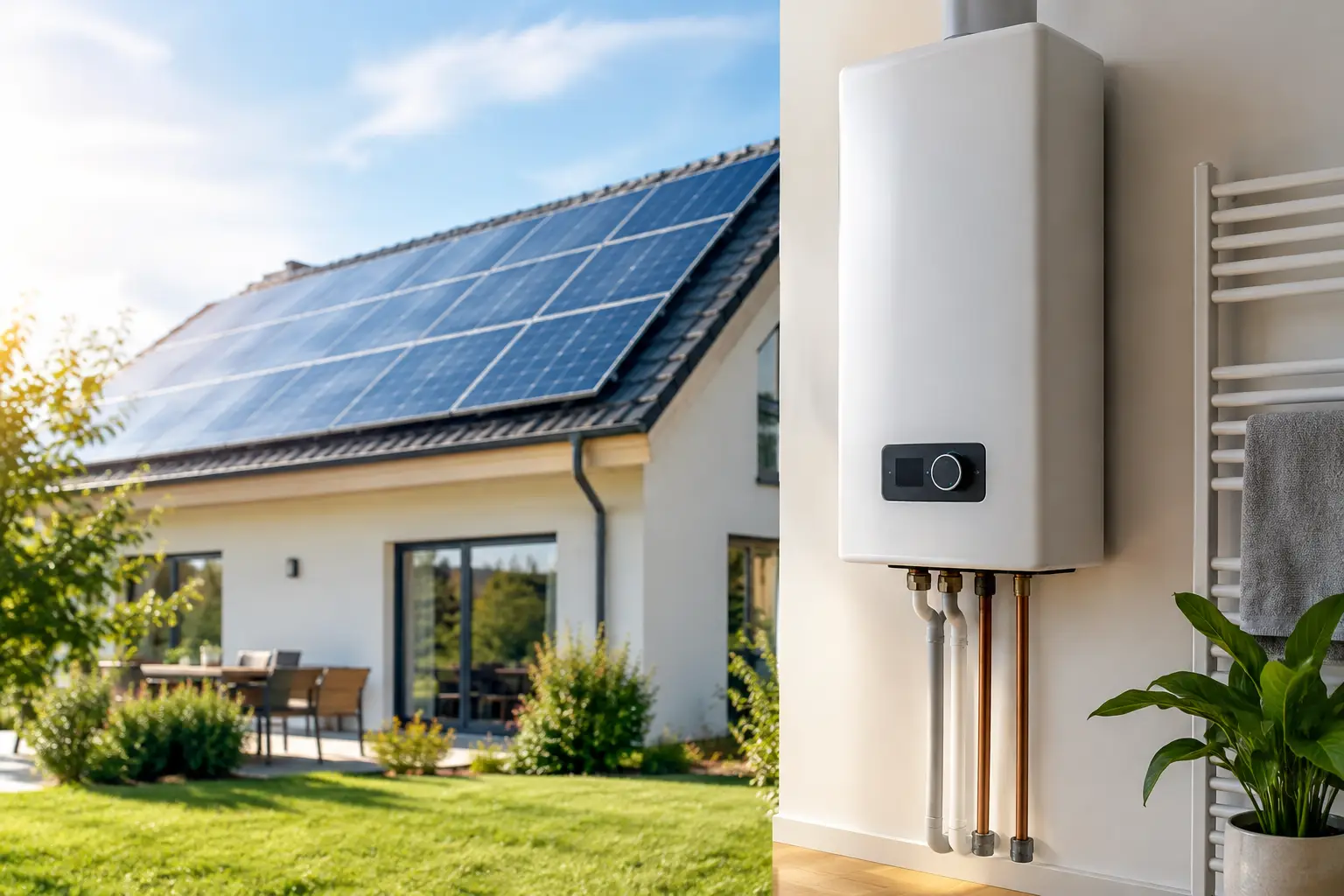
Heating domestic hot water with excess solar generation can be particularly practical. An immersion diverter monitors the property’s electricity flow and sends surplus power to a hot water cylinder rather than exporting it to the grid. In effect, the cylinder becomes a simple form of thermal storage.
This tends to work best from spring through early autumn, when solar output is higher and space-heating demand is lower. It is not a reason to heat water inefficiently all year, but it can reduce boiler or grid electricity use at useful times of year. Homes without a cylinder will need a different strategy, such as battery storage, export payments or using solar electricity for daytime appliances.
Panels, batteries and controls need to work together
Solar panels alone provide electricity only while they are generating. If a household is out during the day and wants most of its heating in the evening, a battery can improve how much solar power is used on site. It stores excess daytime generation and releases it later for household loads.
A battery is not an unlimited winter heating reserve. Electric space heating can use a large amount of energy in a short period, so even a sizeable domestic battery can be depleted quickly on a cold evening. Its value is often in smoothing everyday electricity use, supporting evening loads and helping the household make better use of both solar output and time-of-use electricity tariffs.
Smart controls are equally important. A programmable thermostat, zoning, weather compensation for a heat pump and intelligent hot water settings can move flexible demand into the sunnier part of the day without making the property uncomfortable. For example, a well-insulated home may be gently warmed before late afternoon when solar generation is available, rather than calling for maximum heat after sunset.
The aim is not to run heating whenever the sun appears. It is to maintain comfort while using electricity at the lowest sensible cost.
Start with the fabric of the building
The cheapest unit of heat is the one that does not escape through the roof, walls, windows or draughts. Before sizing a solar and electric heating package, consider insulation levels, ventilation, glazing, radiator condition and the general heat loss of the building.
This is especially relevant for older North East homes, where construction types can vary widely from one street to the next. A solar array may reduce electricity bills, but it cannot correct an undersized radiator system or compensate fully for poor insulation. A lower heat demand makes every option – solar PV, a heat pump, electric radiators or a conventional boiler – easier and cheaper to run.
For developers, this principle should be built into the design stage. New homes with strong fabric performance, suitable electrical capacity and space for solar, batteries and hot water storage are easier to adapt as energy standards and occupant expectations change.
What size solar system is needed?
There is no responsible one-size-fits-all answer. Roof orientation, shading, usable roof area, local generation estimates, annual electricity use and heating demand all matter. A south-facing roof is helpful, but east-west arrays can also perform very well by extending generation across the morning and afternoon, when a household may be more likely to use power.
It is also worth separating annual figures from winter reality. A system could generate a substantial amount of electricity across a full year yet still produce relatively little during the darkest, coldest weeks. Heating design must cope with those periods through the grid, an alternative heat source or a tariff-led operating plan.
For commercial sites, daytime occupancy can make solar particularly attractive. Offices, workshops, retail premises and managed properties may use electricity while panels are producing, reducing the amount that needs to be imported. Where electric heating is part of the plan, load profiles and controls should be reviewed alongside solar design rather than treated as separate projects.
A practical route for homeowners
The strongest results usually come from treating the property as one energy system. Begin with a clear picture of current electricity and heating use, then assess roof suitability, shading and the condition of the electrical installation. From there, choose heating technology that suits the building rather than selecting equipment solely because it is electric.
A typical sensible route may involve solar PV sized for the property’s annual usage, a battery where evening consumption supports the investment, and controls that prioritise solar electricity for hot water or daytime heating. If a heat pump is being considered, the heat-loss calculation and emitter design should lead the decision.
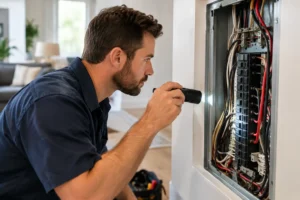
At SWH Electrical Solutions, this joined-up view matters because solar, electrical work and heating decisions affect one another. An installation should be safe, compliant and designed around how the property is actually used, not just around a headline saving.
The realistic answer
Solar power can support electric heating, reduce reliance on imported electricity and make a home or business more resilient against changing energy costs. It is most effective when paired with an efficient heating system, a building that retains heat well and controls that use generation at the right time.
Rather than asking whether solar will heat a property for free through every winter, ask how it can reduce the energy you buy while making the whole system work better. A proper survey turns that question into figures you can use – and a plan that stays comfortable when the Geordie weather has other ideas.