A bungalow can be an excellent home for solar panels, but the answer is not simply to cover every available roof slope. To plan bungalow solar installation properly, start with the things that will affect performance for the next 25 years or more: roof condition, shading, household electricity use and the electrical equipment already in place.
For homeowners across Newcastle and the North East, the right system is one that suits the property and daily routine, not a one-size-fits-all package. Good planning also avoids unpleasant surprises such as roof repairs after panels are fitted, limited battery space or an unexpected delay while the grid connection is agreed.
Plan a bungalow solar installation around the roof
Bungalows often have a useful advantage over taller homes: their roofs can be broad, accessible and straightforward to scaffold. They can also have more complex layouts, with extensions, dormers, chimneys and multiple roof faces reducing the uninterrupted area available for panels.
Orientation matters, but it is not the only deciding factor. A south-facing roof typically produces the most electricity across a year. East- and west-facing arrays can still be highly effective, particularly for households that use more power in the morning and late afternoon. A split east-west system may produce less at midday than a south-facing array, yet provide a more even spread of generation through the day.
The pitch and construction of the roof need checking too. Most pitched roofs are suitable, but the installer should inspect the tiles or slates, battens, rafters and any signs of movement or water ingress before design is finalised. Solar panels are built to last, so it makes sense to address an ageing roof first rather than pay to remove and refit an array a few years later.
Look beyond the obvious shade
A small shadow can have a bigger effect than many people expect. Chimneys, soil pipes, neighbouring houses and mature trees can all interrupt generation at certain times of day. Winter sun sits lower in the sky, which may make shade from nearby trees or buildings more significant than it appears during a summer survey.
Modern panel layouts and optimised systems can help where partial shading is unavoidable. They are not a reason to ignore the issue. A proper survey should model the likely shading pattern and use it to determine panel positions, expected output and whether optimisers are worthwhile for your bungalow.
Match the system size to how you live
The most useful starting point is your actual electricity consumption. Review at least 12 months of bills or smart meter data where available. This shows annual use, but daily patterns matter just as much. A couple out at work all day will use solar energy differently from a family with someone at home, an electric vehicle on the drive or a heat pump running in colder months.
A larger array can generate more electricity, but it is not always the best value if much of that power is exported at a lower rate than the electricity you buy from the grid. Equally, installing too few panels can leave valuable roof space unused, especially if you expect demand to grow.
Think ahead before agreeing a design. Planned changes such as an EV charger, electric heating, a hot water diverter, home office equipment or a future extension can all alter the case for solar. Designing with those changes in mind may mean selecting an inverter with enough capacity or choosing a battery-ready arrangement from the outset.
Decide whether battery storage fits your routine
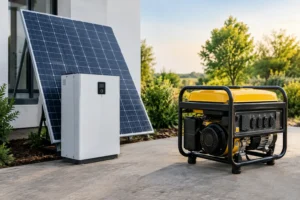
Solar battery storage is particularly useful when a bungalow generates most of its energy while the household is empty. Instead of exporting all surplus generation at midday, the battery stores some of it for use after work, during evening cooking or overnight.
That said, a battery is not automatically essential. It adds upfront cost, has a finite capacity and needs to be sized sensibly. A very large battery may spend much of the year underused, while a modest unit could better match your normal evening demand. Tariffs also matter. Some households use a battery to store lower-cost overnight electricity as well as solar generation, but the savings depend on tariff terms and how the system is configured.
Battery location should be considered early. The equipment needs an appropriate, accessible position with suitable clearances and a safe installation environment. A garage, utility room or other practical internal space often works well, but every property is different.
Check the electrical side before panels are fitted
Solar panels are only one part of the installation. The inverter, generation meter, isolators, consumer unit connections and protective devices all need to work safely together. This is especially relevant in older bungalows, where the consumer unit may not meet the standard needed for a modern solar installation.
An experienced electrician will assess the existing supply and advise whether upgrades are required. In some cases, the solar work is straightforward. In others, a consumer unit upgrade, earthing improvements or remedial electrical work should be completed first. It is better to identify this during survey and quotation than on installation day.
If you are adding an EV charger, battery or electric heating, ask for the wider electrical plan to be considered as one project. Coordinating the work can reduce disruption and helps make sure the property is equipped for the loads it will carry.
Understand permissions, grid approval and standards
Most domestic solar panel installations on a bungalow fall within permitted development rights, but there are exceptions. Listed buildings, conservation areas, properties with particular planning conditions and ground-mounted arrays may need additional checks. Panels should be positioned to minimise their effect on the building’s appearance, and local rules can vary.
Your installer should also manage the notification or application required by the local electricity network operator. Smaller systems are commonly dealt with under the G98 process, while larger or more complex installations may require G99 approval before work begins. This is not paperwork to leave until the end: it can affect the system size and installation timetable.
Choose an installer that can provide clear design information, workmanship guarantees, electrical certification and the documentation needed for export payments. MCS certification is particularly relevant for homeowners who want access to the Smart Export Guarantee through participating energy suppliers. TrustMark and NICEIC registration are further useful signs that the contractor works to recognised standards.
Ask for a design you can understand
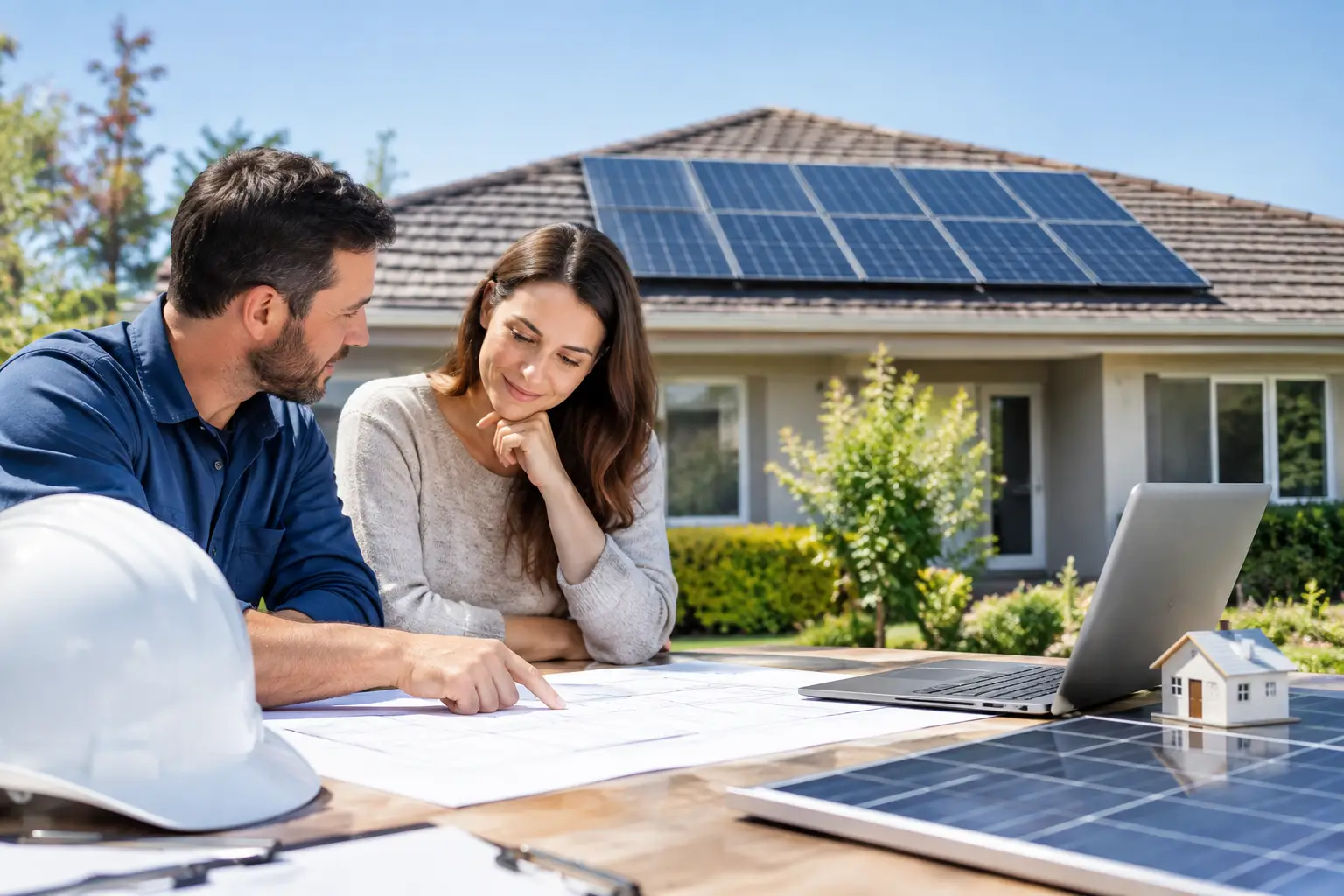
A quotation should explain more than the number of panels and headline price. You should be able to see the proposed panel layout, estimated annual generation, assumptions around shading, inverter specification, battery capacity where relevant, and what is included in scaffolding, electrical work and commissioning.
Be cautious with promises of exact savings. Solar output changes with weather, household habits, tariff rates and future electricity demand. A credible proposal uses realistic estimates and makes the assumptions clear, rather than relying on best-case figures.
It is also worth asking how monitoring will work after installation. A clear app or monitoring platform helps you see generation, import, export and battery activity. Over time, that information can help you move energy-hungry tasks such as laundry or dishwashing into daylight hours, when your panels are producing.
Prepare the bungalow for installation day
Once the design and approvals are in place, installation is usually a well-organised process. Scaffolding is erected first, followed by roof work, cable routes, inverter and battery installation, electrical testing and commissioning. Access to the loft, consumer unit and proposed equipment location will normally be needed.
Clear any valuable items from working areas and let the installer know about pets, parking restrictions or access issues before the team arrives. If the property has an older roof, fragile finishes or a recently renovated interior, point these out during the survey rather than on the day.
A fully managed contractor can make a real difference here. SWH Electrical Solutions can coordinate solar design, electrical upgrades, battery storage and EV charging as one properly planned project, with local accountability from survey through to handover.
The best time to plan is before rising bills or a new purchase forces a rushed decision. Start with an honest assessment of your roof and electricity use, ask practical questions about future demand, and choose a design that will still make sense as your home changes.